Each entry is a working monograph — botany, olfaction and chemistry, documented to the standard a formulator actually needs. Every lot we release carries its own chromatogram; the reference science here maps the territory those numbers sit in.
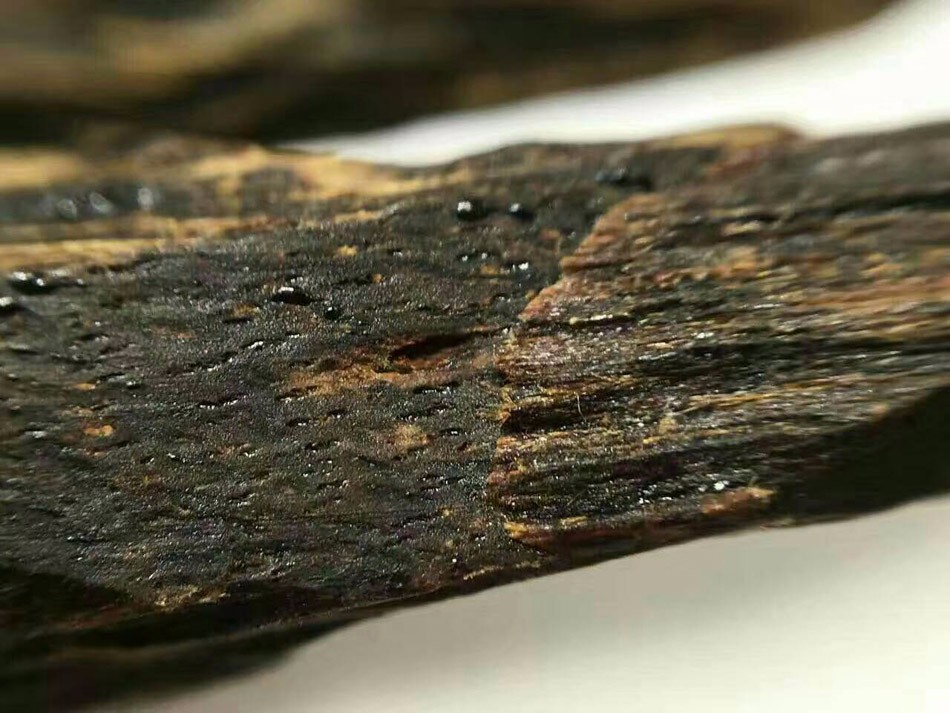
Agarwood
The resinous heartwood the tree makes only when wounded and infected — the deepest, most tenacious base note in perfumery, and one of the most valuable oils on earth.
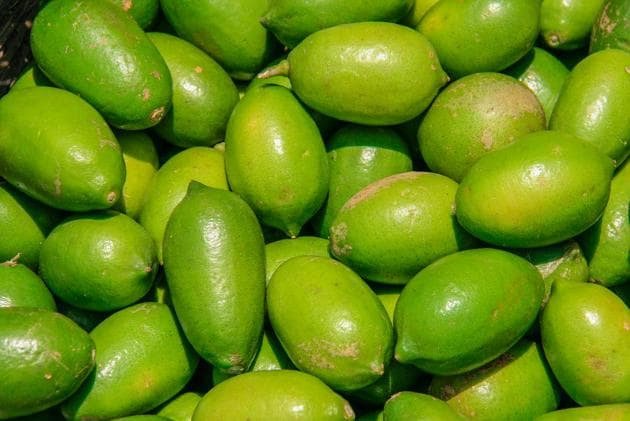
Gondhoraj
A semi-wild aromatic lime of the India–Bangladesh hill country — grown for its intensely fragrant rind and kaffir-like leaf, not its pulp. Bright, green, floral.
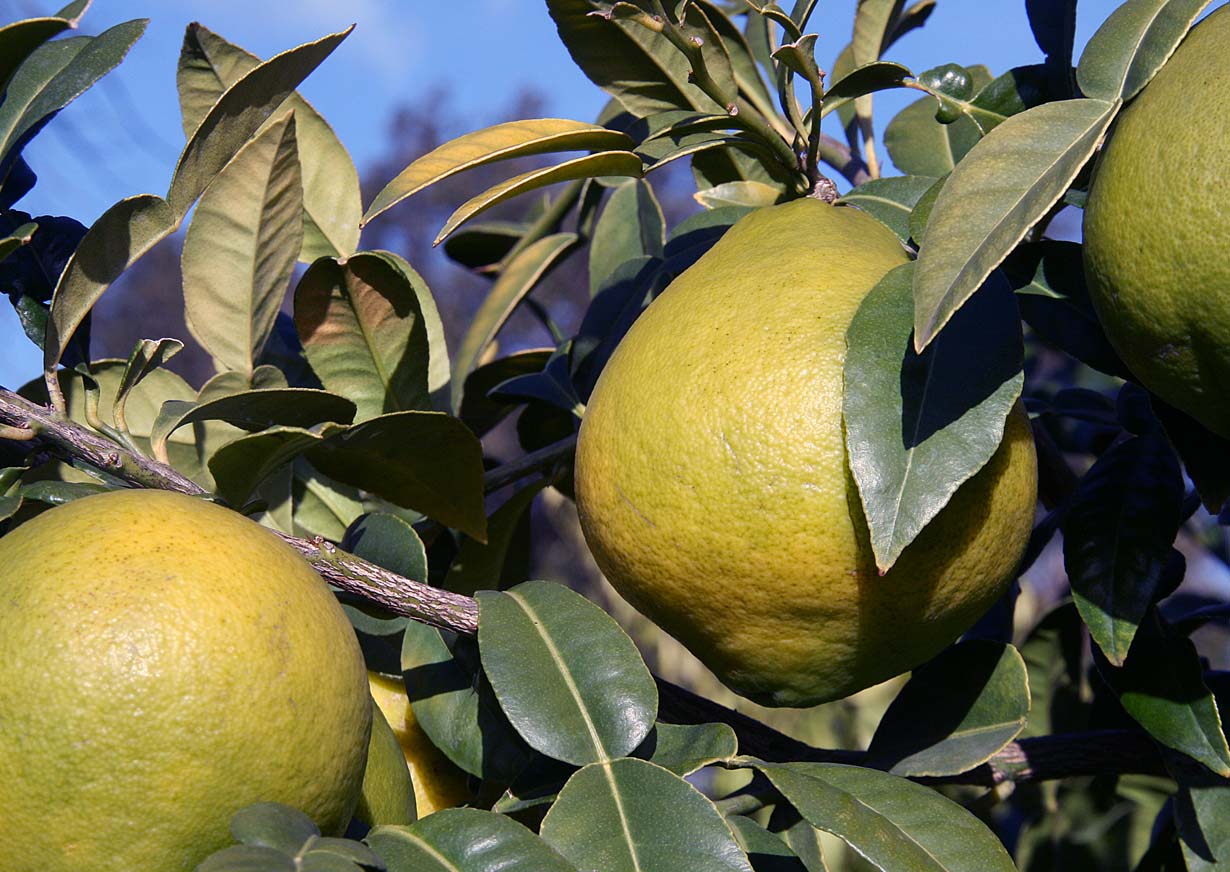
Satkora
A large, thick-rinded semi-wild citrus of the Northeast India–Sylhet hill country, grown for the intensely aromatic peel that defines beef shatkora. Chemistry and yield are already published; Tripura sourcing is still ours to prove.
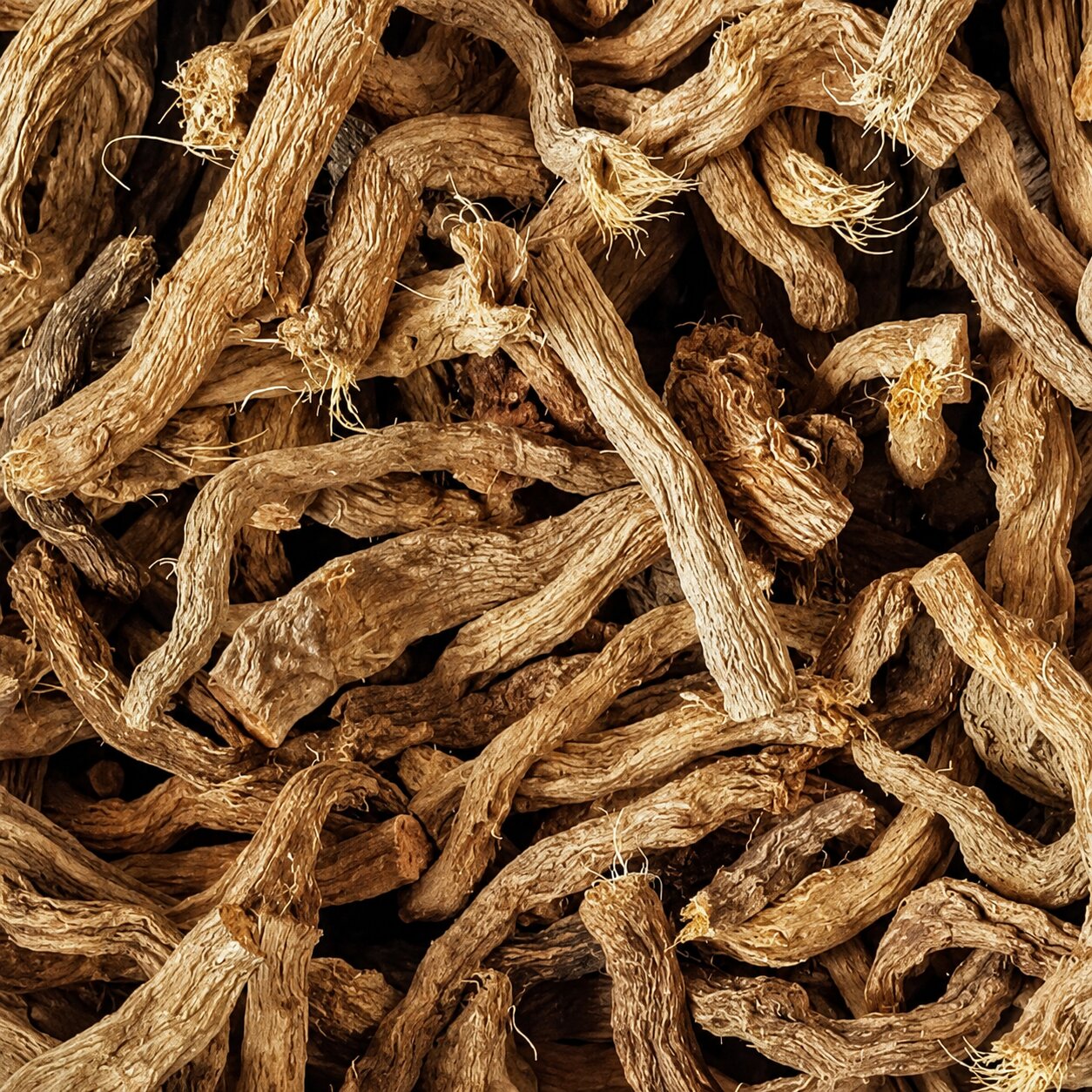
Sugandhmantri
A shade aroid of the Northeast forest floor, distilled from its rhizome rather than leaf or fruit. Linalool-rich with an earthy depth — and, remarkably, never distilled anywhere near where it grows.